


Published 23 January 2024
Revolutionising Utilities: The Impact of IoT and Smart Technology
Discover how IoT and IAconnects are revolutionising efficiency and sustainability in the utilities sector.
- Compliance and Regulations
- Technology
- Trends and Insights
- Solutions
- Digital Transformation
- Guide to Systems Integrators

- Facilities Management
- Government
The utility sector, responsible for providing essential services such as electricity, water, and gas, plays a critical role in the functioning of modern society.
However, with increasing demand, ageing infrastructure, and the pressing need for sustainability, this sector faces numerous challenges that require innovative solutions.
In this blog post, we will explore how the Internet of Things (IoT) and smart technologies are revolutionising the utilities industry.
By leveraging digital transformation and working with specialist systems integrators like IAconnects, these businesses can enhance efficiency, reduce costs, and create a more sustainable future.
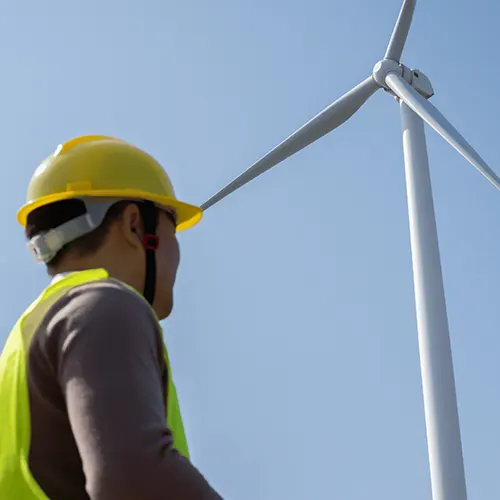
The Challenges Facing the Utilities Sector
The utility sector is confronted with several significant challenges that necessitate transformative change.
One of the most pressing issues is ageing infrastructure.
Many utility systems were built decades ago and are now struggling to meet the demands of a rapidly evolving world.
Additionally, increasing population growth and urbanisation have led to greater demand for resources such as water and energy.
Regulatory pressures also pose challenges for utility companies.
They must comply with ever-changing regulations surrounding environmental impact reduction while still meeting customer expectations for reliable services.

Balancing these requirements requires innovative approaches that combine both efficiency and sustainability.
Introduction to IoT and Smart Technology in Utilities
To address these challenges effectively, utility companies are turning to IoT and smart technology solutions.
What is (IoT) Internet of Things?
Internet of Things, also known as IoT, refers to a network of interconnected devices or “things” that collect and exchange data through embedded sensors. These devices can range from smart meters in homes to sensors on power grids or water distribution networks.
Smart technology encompasses a broader spectrum of intelligent systems that utilise IoT capabilities to optimise processes.
This includes advanced analytics platforms, automation systems, artificial intelligence algorithms, machine learning models, and more.
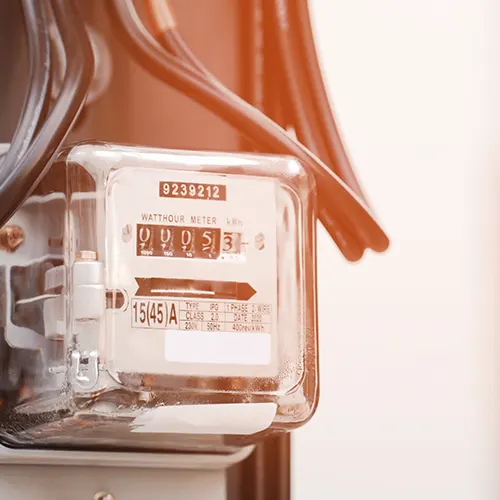
By integrating IoT devices with smart technology solutions into their new and legacy operations, utility companies gain real-time data insights that enable better decision-making, improved resource management, and enhanced customer experiences.
Benefits of IoT and Smart Technology in Utilities
The adoption of IoT and smart technology in the utilities sector offers numerous benefits that address the challenges previously discussed.
Let’s explore some of these advantages in more detail:
Enhanced monitoring and management of resources
IoT devices enable utility companies to monitor and manage their resources more efficiently.
For example, retrofitting newer more precise sensing technology to older systems and critical infrastructure devices gives a far more granular understanding of asset health.
This information empowers utilities to optimise resource allocation, streamline stock holding, reduce waste, and hopefully minimise downtime.
Predictive maintenance and reduced downtime
Another significant advantage of IoT is its ability to facilitate better predictive maintenance.
By collecting, storing, and analysing data from a wider selection of new and legacy assets within utility systems, such as motors, metering devices or pumps, companies can detect patterns indicative of potential failures or deterioration.
This proactive approach allows for timely maintenance interventions before a complete breakdown occurs, reducing costly downtime and identifying repeat offenders in mission-critical systems.
Better data analytics for informed decision-making
The vast amount of data generated by IoT devices provides utility companies with valuable insights into their operations.
By leveraging advanced analytics platforms and machine learning algorithms, they can extract actionable intelligence from this data.
These insights help inform decision-making processes related to infrastructure investments, load management strategies, customer engagement initiatives, compliance reporting and more.
Improved customer engagement and service
IoT-enabled technologies also enhance the overall customer experience.
For instance, smart home devices connected to utility systems allow consumers to monitor their energy consumption in real time, promoting energy-saving behaviours.
Additionally, utility companies can offer personalised services based on individual usage patterns or provide timely alerts about outages or service disruptions.
While there are numerous benefits associated with IoT adoption in the utilities sector, certain challenges must be considered during implementation.
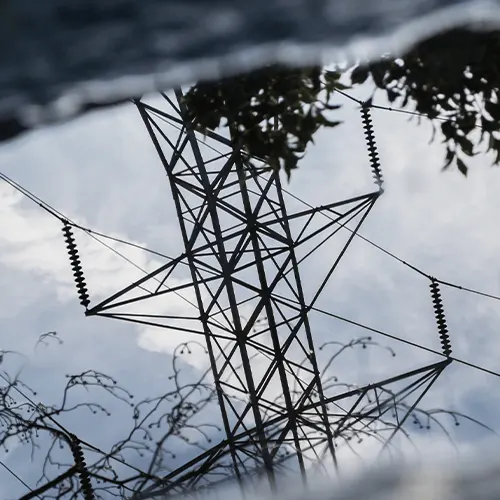
Challenges and Considerations in Implementing IoT Solutions
One major concern when implementing IoT solutions is cybersecurity.
With an increased number of interconnected devices transmitting sensitive data across networks, ensuring robust security measures is paramount.
Utility companies need to invest in robust cybersecurity protocols, including encryption, authentication mechanisms, and continuous monitoring, but these must be matched by due diligence on sensor and backhaul technology required to augment the processes.
Another challenge is the need for a skilled workforce capable of managing and interpreting IoT-generated data. Harnessing the full potential of IoT requires professionals with expertise in data analytics, machine learning, and system administration.
Companies should focus on upskilling their existing workforce or collaborating with external partners such as IAconnects to bridge this skills gap effectively and ensure the IT/OT handoff is a smooth one.
Furthermore, implementing IoT solutions may require a significant initial investment.
The costs associated with deploying sensors, upgrading infrastructure, and integrating new systems must be carefully considered. However, although we’re all aware that these investments should result in long-term cost savings through improved efficiency and reduced downtime, this can only be realised if the right products and services are implemented by the right people!
The Future of Utilities with IoT and Smart Technology
Looking ahead, the future of utilities lies in sensibly leveraging IoT and smart technology to create smarter infrastructure and support more sustainable practices.
As utility companies continue to embrace digital transformation and adopt innovative solutions, we can expect even greater advancements in this field.
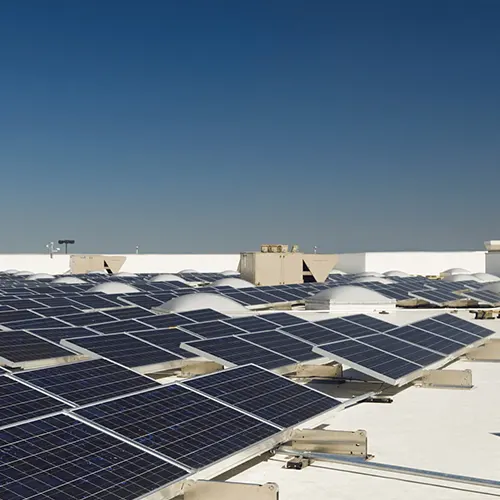
For instance, AI-powered algorithms can optimize energy distribution based on real-time and predicted demand patterns while minimizing environmental impact.
Connected devices within smart buildings can enable seamless integration between various utility systems for enhanced efficiency and data accuracy.
Moreover, as local councils and cities increasingly prioritise sustainability goals, IoT-enabled technologies will play a crucial role in achieving these objectives by maximising the continued use of legacy assets.
By providing accurate data on resource consumption and enabling optimised management strategies, utility companies can contribute significantly to creating greener communities.
Conclusion
In conclusion, the adoption of IoT and smart technology represents a transformative opportunity for the utilities sector.
With enhanced monitoring capabilities, predictive maintenance interventions, better data analytics insights, improved customer engagement initiatives, and considerations for challenges such as cybersecurity concerns or initial investment costs; utilities companies can revolutionise their operations for increased efficiency and sustainability.
As we’ve explored the vast potential of IoT and smart technology in revolutionizing the utility sector, it’s clear that the path to a more efficient and sustainable future is through embracing these innovations.
The benefits of enhanced monitoring, predictive maintenance, and improved data analytics are not just possibilities—they are essential steps toward meeting the challenges of our time.
Now, it’s time for action. Industry leaders and policymakers must take the initiative to integrate these technologies into their operations.
By investing in IoT and smart technology, we can ensure that our utility systems are not only more efficient and cost-effective but also more resilient and responsive to the needs of a growing population.
Book a Demo
Other Blog Posts
Andrew Bickley’s 5 Key Takeaways from the Smart Buildings Show
Andrew Bickley highlights five key Smart Buildings Show themes: tackling stranded data, expanding sensor use, delivering actionable insights, preparing for AI, and championing technology-agnostic platforms like MobiusFlow and IAconnects.EMEX London conference 2025: what you need to know
The EMEX London show is a premier event for energy managers and professionals committed to achieving a net zero future.Smart Buildings Show 2025: London
Smart Buildings Show 2025 in London will showcase the latest innovations in smart building tech, including IoT, AI, and renewable energy solutions, with experts discussing industry trends, challenges, and future urban infrastructure developments.


